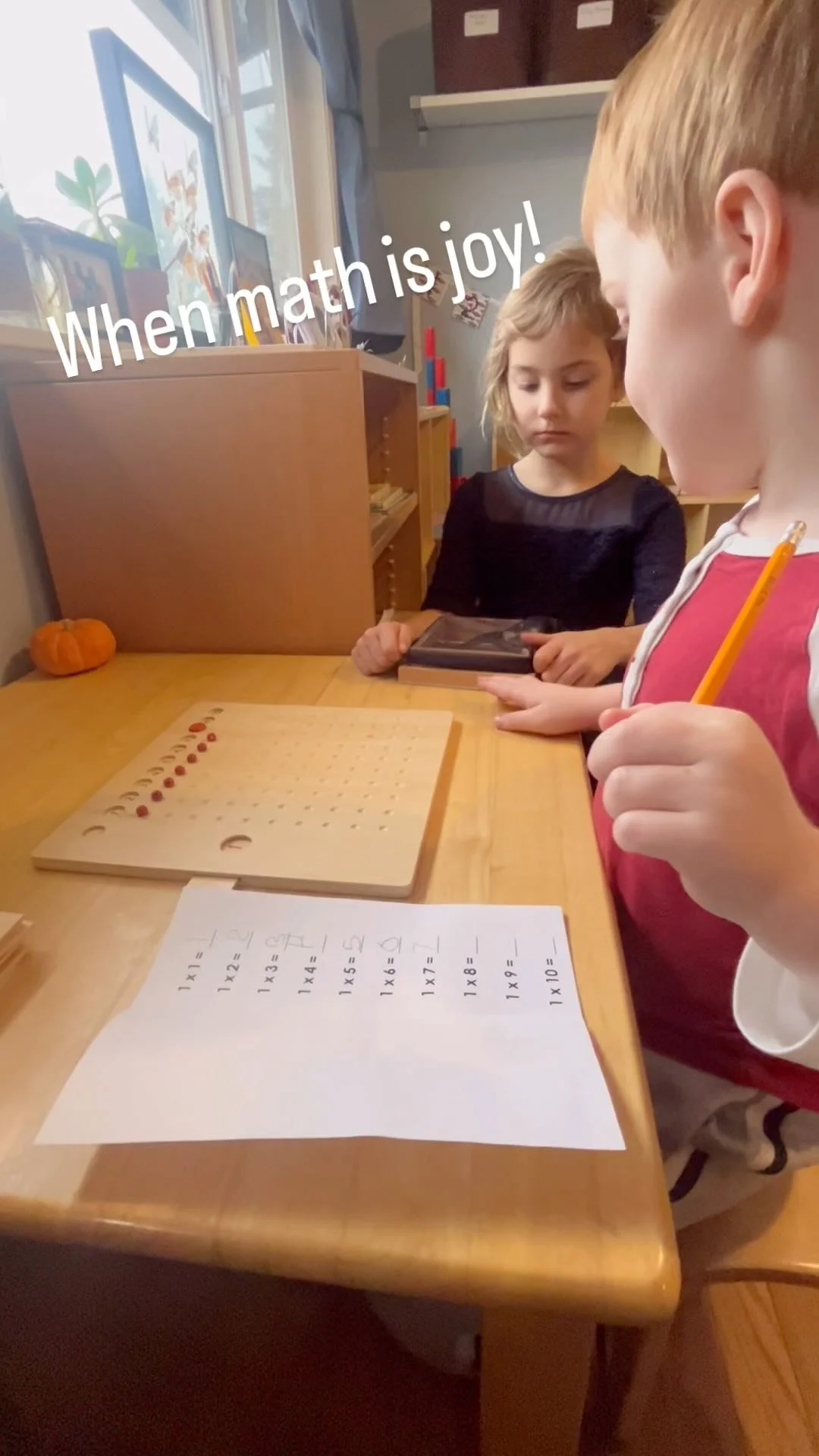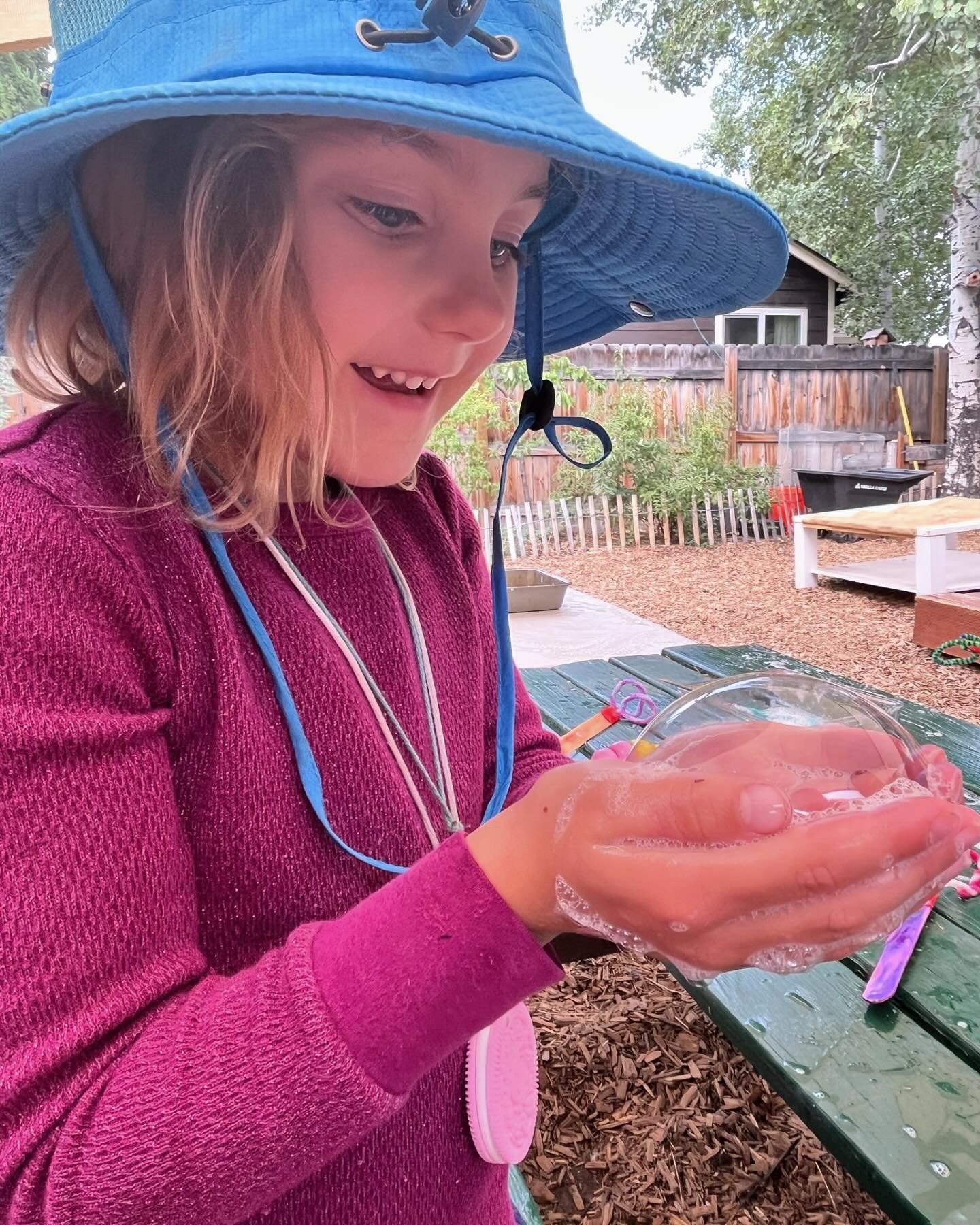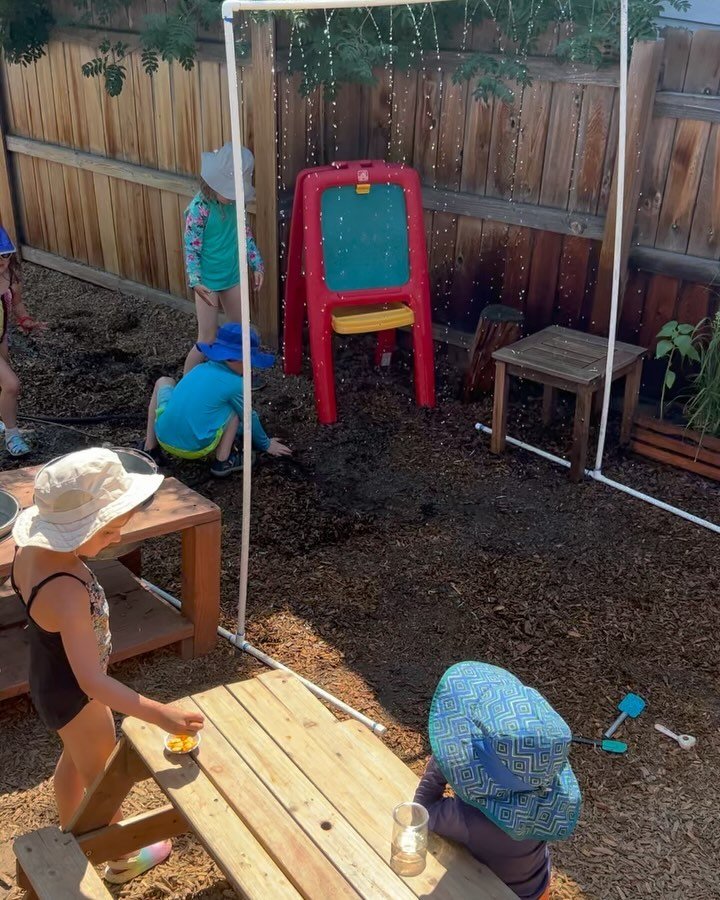

Montessori in the Pines is committed to Diversity, Inclusion, and providing an Anti- Bias, Anti-Racist Education for Life.

At Montessori in the Pines, we are committed to creating a safe and inclusive school environment where every child can feel seen, loved, and valued for who they are.
We believe that all people are deserving of respect, dignity, and belonging, regardless of their race, ethnicity, religion, gender, sexual orientation, ability, or any other aspect of their identity. We recognize that bias and racism are deeply entrenched societal issues that impact every aspect of our lives, and we are committed to actively combating them.
As a school, we commit to ongoing learning and self-examination, and to engaging in ongoing dialogue and reflection on issues of diversity, equity, and inclusion. We recognize that this work is ongoing and that there is always more that we can do to create a more inclusive and equitable community. We are committed to listening and learning from our students, families, and community members, and striving to support the unique needs of all students.
We recognize that this is an ongoing process, and we believe that by working together, centering growth, accountability, and hope, we can help build a more just and equitable future for all.
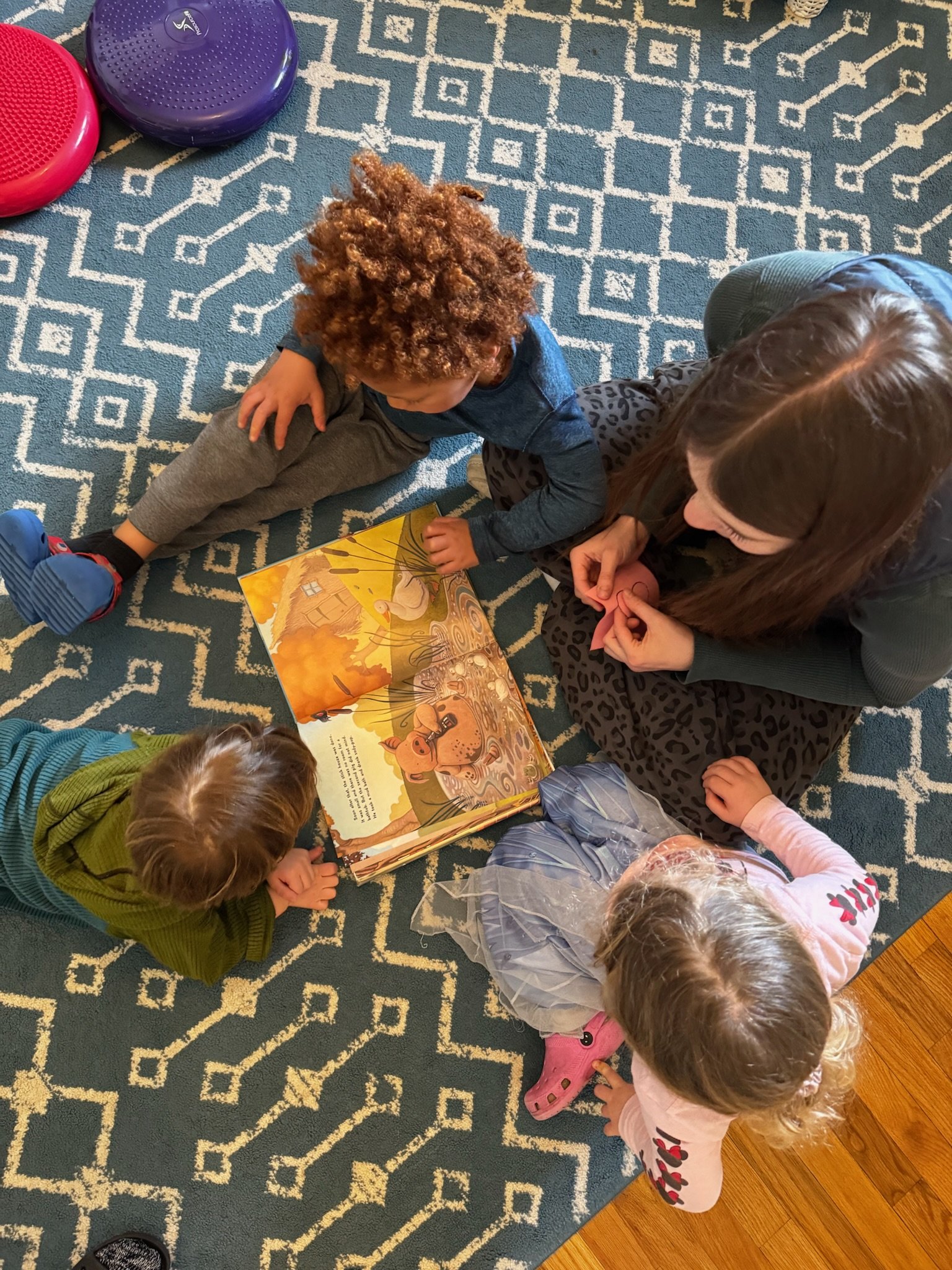
How Montessori Primary Classrooms Support All Learners
Montessori classrooms for ages 3–6 are designed around a simple but powerful truth: young children are still learning how to be human. They are developing language, self-control, empathy, emotional regulation, and social skills, often all at the same time and often imperfectly.
At Montessori in the Pines (MITP), our classrooms intentionally support children with a wide range of developmental profiles, including typically developing children and children with special needs or “invisible” disabilities such as behavioral disorders, trauma backgrounds, anxiety, ADHD, sensory processing differences, and highly sensitive children. This inclusive approach benefits every child in the community.
Why Inclusion Works
Young children are concrete learners. They learn best through hands-on materials, repetition and practice, clear routines and expectations, and real-life social experiences.
Montessori classrooms are carefully prepared to meet these needs. The structure, predictability, and respect built into the Montessori environment are especially supportive for children who need extra help with regulation or communication. At the same time, these elements create calmer, more focused classrooms for all children.
Inclusion at this age is not about asking children to manage challenging situations on their own. It is about adults actively teaching, guiding, and protecting while children practice essential social skills in real time.
Benefits for Typically Developing Children
Children without identified special needs gain meaningful and lasting benefits in inclusive Primary classrooms:
Stronger social and emotional skills, including empathy, patience, and perspective-taking
Increased leadership and confidence through helping and mentoring peers
Improved conflict resolution skills through guided problem solving
A realistic understanding that people learn and behave differently, and that difference is normal
These skills support not only school success but lifelong relationships and community participation.
Understanding Behavior in Young Children
In early childhood, behaviors such as hitting, pushing, yelling, or running away are developmentally common, even though they are not acceptable.
Young children are still developing impulse control, often lack language for big emotions, may respond physically before cognitively, and learn social rules through experience and repetition.
This is true for children with and without special needs. A child who hits is not being “bad,” and a child with behavioral needs is not “bullying.” Bullying requires intent, a power imbalance, and repeated targeted behavior. These are not developmentally present in Primary-aged children.
At MITP, challenging behavior is viewed as a skill gap that requires teaching and support, not punishment.
Montessori in the Pines: A Commitment to Peace and Safety
Montessori education is rooted in Peace education, which emphasizes teaching children how to live respectfully and cooperatively through modeling, experience, and guided practice.
MITP is deeply committed to the physical safety and emotional well-being of every child. We strive to create classrooms grounded in respect, dignity, and belonging.
We also recognize that conflict happens in early childhood. When it does, we respond with clarity, consistency, and care.
Our approach includes:
Immediate adult intervention to ensure safety
Direct teaching of Grace and Courtesy lessons
Careful observation and monitoring of children who need additional support
Clear communication with families of all children involved
Collaboration with families and specialists when therapeutic support is needed
Furthermore, in addition to ongoing Montessori-based professional development, our team participates in staff training days throughout the year. These sessions address a broad range of topics, including neurodiversity as well as health and safety. As a result, our teachers are continually learning and growing through training that is thoughtfully informed by the needs of the children in our care.
Our Shared Goal
At Montessori in the Pines, we believe every child belongs, and every child deserves to feel safe, seen, and supported. Inclusive classrooms teach children not only academic skills, but also how to live peacefully with others. While inclusive education is not easy, it is essential to building a more peaceful and equitable future. We are deeply committed to expanding access for all children and to partnering with our community to make that possible. We also recognize that, as a small program, our resources are not limitless. Even so, we remain dedicated to doing our very best for every child entrusted to our care. When families, educators, and therapeutic specialists work together, children learn that challenges are met with care, differences are respected, and community means looking out for one another.
Land Acknowledgment:
Montessori in the Pines is located on the traditional homelands of the Warm Springs tribes, the Wasco, and the Northern Paiute peoples. We recognize and respect the Indigenous Peoples who are the original inhabitants of the land, upon which now we work, play, and learn. We are grateful guests, but recognize that our school exists on stolen land, as a result of violent colonialism.
As a school, we commit ourselves to learning more about the histories and cultures of the indigenous people who have called Central Oregon home since time immemorial. We acknowledge that terrible injustices have been put upon both the peoples and their ancestral lands, and are committed to educating and empowering our students, staff, and community members to work toward a future of peace, justice, and environmental stewardship.